Forklifts, pallet jacks, metal swarf, oils, monsoon water and electrical requirements can make the wrong floor fail long before its stated service life. By the end, you will be able to match each Pune facility zone with a flooring system, thickness, compound, surface profile and installation specification that can be checked before purchase.
Key takeaways
- Map traffic, exposure and tasks separately for every facility zone.
- Choose thickness from forklift loads, machinery, dropped tools and traffic frequency.
- Match the rubber compound and surface texture to chemicals and wet conditions.
- Require material, testing, installation and maintenance details in the quote.
Start with the traffic, exposure and task in each facility zone
Classify every zone by traffic, exposure and task before comparing industrial rubber flooring for facilities in Pune. Record who or what crosses the floor, how often, and the worst load: pedestrians, pallet jacks, forklifts, carts, dropped tools, metal swarf or stationary machinery.
Then record contaminants and work conditions, including monsoon water, oil, coolant, detergent, solvents, heat and static-control needs.
| Zone | Traffic and task | Exposure to record |
|---|---|---|
| Machine shop | Forklifts, pallet jacks, swarf and dropped parts | Cutting oil, coolant, metal edges and frequent cleaning |
| Warehouse or loading bay | Rolling loads, turning wheels and point loads | Tyre abrasion, pallet impact, rainwater and diesel or oil |
| Chemical process area | Pedestrians, wheeled equipment and spill response | Named acids, alkalis, solvents, oils and wash-down chemicals |
| Electrical or electronics room | Controlled pedestrian traffic and equipment movement | Static discharge, dust, moisture and cleaning method |
| Entrance or walkway | Heavy foot traffic and trolley movement | Wet shoes, mud, standing water and slip risk |
Use the highest credible traffic and contamination class, not the average shift. In Pune’s wet monsoon, assess slip performance with water, oil, coolant or detergent present; a dry laboratory value does not represent the doorway. Ask for evidence for the exact compound, backing, adhesive and seam system.
ASTM F1344 identifies rubber floor-tile requirements, but it does not prove forklift capacity, oil resistance, static control or fire performance.
Compare flooring systems and select thickness from the real load
Choose the system from wheel load, impact and substrate—not colour or nominal thickness. A 5 mm sheet suits sound, flat concrete that needs wear protection; it does not turn weak concrete into a forklift-rated slab.
Hard wheels, concentrated loads and frequent turning can crush edges or expose substrate defects, so calculate wheel load and check floor flatness before selecting rubber flooring thickness for industrial use.
| Option | Best fit | Thickness direction |
|---|---|---|
| Homogeneous vulcanized sheet | Machine shops and plant aisles with oil, swarf and rolling traffic | 3–5 mm on sound concrete; use thicker material for impact and comfort, not structural repair |
| Rubber tile | Walkways, standing stations and repairable zones | 5–10 mm where dropped tools or operator fatigue matters; avoid soft tiles on forklift routes |
| Conductive or static-dissipative rubber | Electrical rooms and controlled production areas | Select the tested system with conductive adhesive and earthing; covering alone proves nothing |
| Recycled-rubber impact tile | Fabrication drop zones and anti-fatigue areas | Thicker profiles absorb impact, but rolling resistance, oil resistance and hygiene can be poor |
| Epoxy or polyurethane cement | Wet plants, chemical areas and washdown zones | Compare chemical and thermal resistance; rubber is not automatically the better choice |
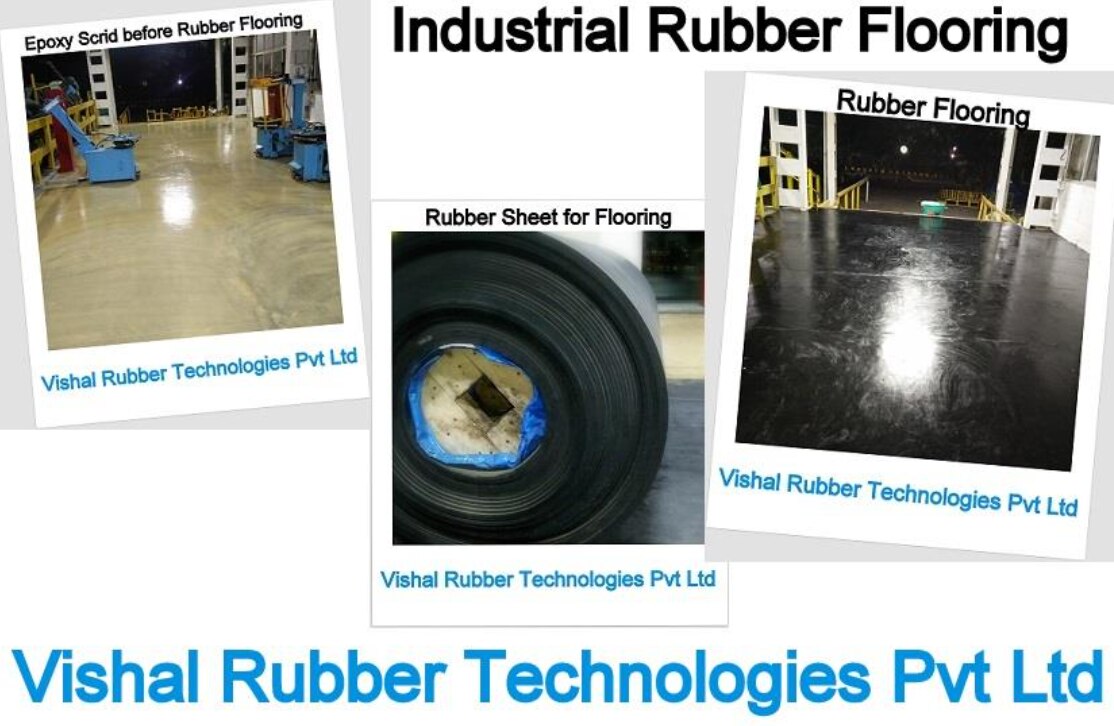
For warehouses, choose a smooth, dense surface only after confirming pallet-jack wheels, forklift tyres and turning frequency. Conveyor-belt flooring suits rough utility walkways but is harder to clean and verify than solid sheet. Compare industrial rubber flooring options in Pune by compound, seam, adhesive, maintenance and traffic—not price per square metre alone.
Match the rubber compound and surface to chemicals and wet traffic
A floor that tolerates water can still swell, soften or lose its bond under cutting oil. Select the compound for the actual exposure, not for colour or nominal thickness; forklift wheels, metal swarf and dropped parts create different wear than pedestrian traffic.
For rubber flooring for factories in Pune, request a chemical-resistance chart covering the complete system: exact rubber compound, backing, adhesive and seam treatment. Match it to the products used on site, at their working concentration and temperature.
Request evidence for each chemical exposure:
- Petroleum oil, hydraulic fluid and grease resistance
- Cutting fluid or coolant resistance
- Aromatic solvent resistance
- Strong acid and concentrated alkali resistance
- Detergent and disinfectant resistance
Reject a generic statement that the floor is “chemical resistant.” A chart for a different compound or adhesive does not validate your proposed flooring.
Wet-monsoon entries need more than a dry slip coefficient. Test or obtain wet-slip results with the contaminants found in that zone: clean water, oil, coolant and detergent. Check the surface profile, drainage falls, doorway transitions and cleaning method; a deeply textured surface can improve grip but trap swarf and complicate washing.
Use a physical sample to inspect how easily oil wipes away and whether the surface retains a film. Softer recycled-rubber impact tiles suit standing areas, but smooth forklift routes and oily workstations usually need a denser, oil-resistant surface with low rolling resistance. Extra thickness will not correct an unsuitable compound or a weak substrate.
Check fire, electrical, dimensional and maintenance requirements
Require evidence for the installed floor assembly, not just a product brochure. ASTM F1344 identifies a rubber tile standard; it does not prove forklift performance, oil resistance, static control or a required fire classification.
Ask for these documents and acceptance details:
- Fire: obtain the test report or classification for the exact rubber, backing and adhesive combination. Check whether it covers flame spread, critical radiant flux, smoke generation or reaction to fire required by your building approval.
- Static control: require resistance data for the completed system, including conductive adhesive, earthing points and grounding arrangement. The supplier must state acceptable resistance limits and explain how footwear and cleaning affect readings.
- Dimensions: request thickness and dimensional-tolerance figures, plus stability data after temperature and humidity exposure. Reject samples that curl, shrink or open gaps after conditioning.
- Joints: require a tile layout or sheet seam detail showing joint width, welding or bonding method, edge treatment and repair procedure. Fewer sheet joints reduce contamination paths, while tiles simplify local replacement.
- Cleaning: obtain the approved detergent, dilution, equipment and frequency. Confirm that the method removes oil without leaving a slippery film or damaging the rubber and its electrical performance.
Keep a signed physical sample tied to the quoted batch. That sample gives you something to compare at delivery when colour, texture, thickness or joint fit changes.
Turn the choice into a quote you can inspect and accept
A quote is incomplete if it names only rubber thickness and price. Ask the industrial flooring supplier in Pune to attach a sample, installation scope, test evidence and acceptance criteria before you approve the order.
1. Identify the exact product, batch number, colour, thickness tolerance, roll or tile dimensions, surface profile and physical sample. The technical data sheet must state hardness, tensile strength, abrasion result and temperature limits.
2. Name the adhesive, primer, seam method, cove or skirting detail, substrate preparation standard and allowable floor flatness. Require moisture and alkalinity checks on concrete using the manufacturer’s method, with ASTM F2170 or ASTM F1869 results where specified by the system.
3. Attach chemical-resistance evidence for your actual oils, cutting fluids, solvents and cleaning agents. The document must state exposure time, concentration and temperature; a generic “chemical resistant” claim is not enough.
4. Specify the slip-test method and result for wet and oily conditions. Ask for fire-classification documents where the room or project requires them.
5. For ESD areas, demand resistance data for the installed system, conductive adhesive details, earthing-point layout, continuity checks and footwear and cleaning limits. A conductive-looking sheet alone proves nothing.
6. Record installation dates, monsoon moisture controls, exclusions, repair obligations and warranty conditions. Request references for sites carrying comparable forklift and pallet-jack loads.
At handover, accept only against a signed as-built layout, batch records, test results, cleaning instructions and marked defects list. Whether reviewing Vishal Rubber Technologies Pvt. Ltd. or another bidder, apply this identical document pack.
Related product
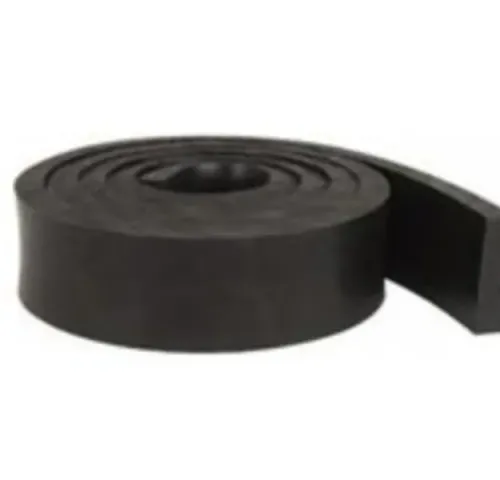
 | Rubber Rubberized Flooring using Conveyor Belts for better rigidity and longer life instead of usual Rubber Mats. View product → |
Frequently asked questions
How should you assess each facility zone before choosing rubber flooring?
Record traffic, exposure and task for each zone, including pedestrians, pallet jacks, forklifts, carts, dropped tools, metal swarf and stationary machinery.
How do you choose rubber flooring thickness for industrial use?
Select thickness from the real load and impact pattern, including forklift traffic, pallet-jack wheels, dropped tools and machinery loads rather than choosing by appearance.
How do you match rubber flooring to chemicals and wet traffic?
Check the rubber compound against the chemicals used in that zone, then choose a surface texture that provides traction without trapping excessive dirt or fluids.
What should an industrial rubber flooring quote include?
Ask for the flooring specification, thickness, compound, surface pattern, dimensions, test documents, installation method, joint details, maintenance instructions and warranty terms.