Thank you for writing to us. One of our executive will reach back to you through your submitted medium. In case there’s an urgency, feel free to connect over WhatsApp for faster response.
Prefer calling? Dial +918048036916 (International callers) or 8048036916 (Indian callers).
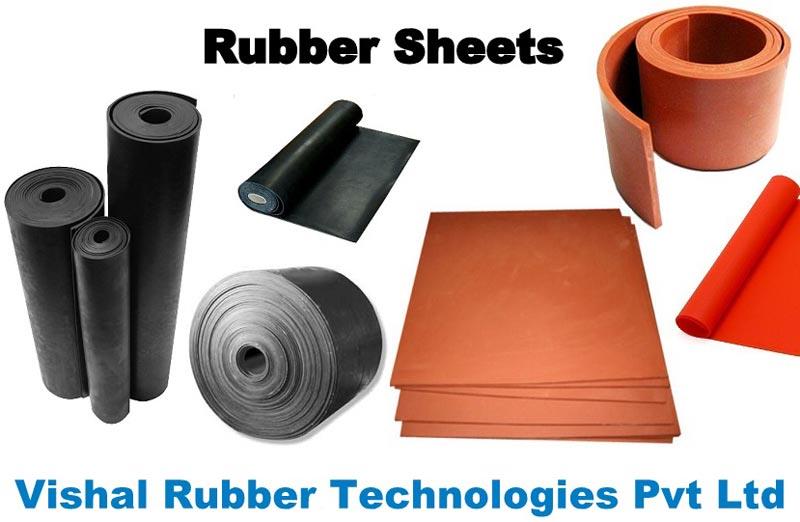
We manufacture and Supply UL 94 EPDM Rubber Belts, Rubber Gaskets, Rubber Sheets and Rubber Strips as per customer requirements
From Lowest (Least Flame - Retardant) to Highest (Most Flame - Retardant).
Standards are given below for details about its details of testing,
UL 94-5VA
UL 94-5VB
UL 94 V-0
UL 94 V-1
UL 94 V-2
UL 94 H-B
HB: slow burning on a horizontal specimen; burning rate < 76 mm/min for thickness < 3 mm or burning stops before 100 mm
V-2: burning stops within 30 seconds on a vertical specimen; drips of flaming particles are allowed.
V-1: burning stops within 30 seconds on a vertical specimen; drips of particles allowed as long as they are not inflamed.
V-0: burning stops within 10 seconds on a vertical specimen; drips of particles allowed as long as they are not inflamed.
5VB: burning stops within 60 seconds on a vertical specimen; no drips allowed; plaque specimens may develop a hole.
5VA: burning stops within 60 seconds on a vertical specimen; no drips allowed; plaque specimens may not develop a hole.
In the calendering process, fabric and rubber material is passed through a series of rollers to flatten, smooth and commingle the two or more materials. Calendered sheets can have multiple layers of both the elastomeric and polymer “sandwiched“ together.
Sheeting produced by the calender process is typically divided into two classes: either fabric inserted, or unsupported. Unsupported calender goods contain only layers of rubber or plastic that have been joined without cord, cloth or textile being inserted for strength or tear resistance. Tire cord can be used special cases; rayon, cotton, nylon, or polyester cords are arranged in parallel and bound together by rubber on a calender.
Depending upon intended use and required look or feel, the sheets of rubberized fabric are then smoothed, glazed, polished, or given a moiré or embossed surface. The resulting surface characteristics depend on the pressure exerted by the rollers, on their temperature, composition, and surface designs, and on the type of coating or glaze previously applied to the material to be calendered. Following the calendering process the material is then wound into rolls and placed into storage.
These Rubber Sheets are also manufactured from over 15 polymers including: Nitrile / Buna-N (NBR), Fluorocarbon (Viton®, Fluorocarbon (FKM), Silicone (VMQ), Fluorosilicone (FVMQ), Polyurethane (AU/EU), Natural Rubber (NR), Ethylene Propylene (EPDM), Hydrogenated Nitrile Rubber (HNBR), Styrene Butadiene Rubber (SBR), Chloroprene (Neoprene®), etc.
All types of Natural, EPDM, Nitrile, Neopren, Silicon etc Rubber Sheets available.
In the calendering process, fabric and rubber material is passed through a series of rollers to flatten, smooth and commingle the two or more materials. Calendered sheets can have multiple layers of both the elastomeric and polymer “sandwiched“ together.
Sheeting produced by the calender process is typically divided into two classes: either fabric inserted, or unsupported. Unsupported calender goods contain only layers of rubber or plastic that have been joined without cord, cloth or textile being inserted for strength or tear resistance. Tire cord can be used special cases; rayon, cotton, nylon, or polyester cords are arranged in parallel and bound together by rubber on a calender.
Depending upon intended use and required look or feel, the sheets of rubberized fabric are then smoothed, glazed, polished, or given a moiré or embossed surface. The resulting surface characteristics depend on the pressure exerted by the rollers, on their temperature, composition, and surface designs, and on the type of coating or glaze previously applied to the material to be calendered. Following the calendering process the material is then wound into rolls and placed into storage.